Reference
Growing media
Potting mixes, bark, moss, perlite and amendments: what each does, with pros and cons.
19 articles
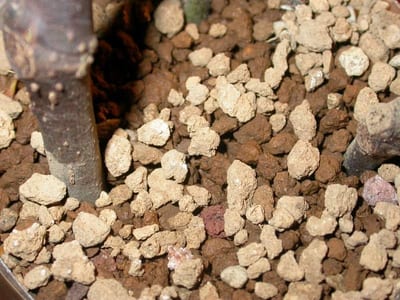 DependsAkadamaAlso: Red ball earth, Akadama clayAkadama is a granular volcanic clay mined in Japan, used mainly in bonsai soil. It holds water and air well and darkens when wet, which helps judge when to water, but it gradually breaks down into mud.
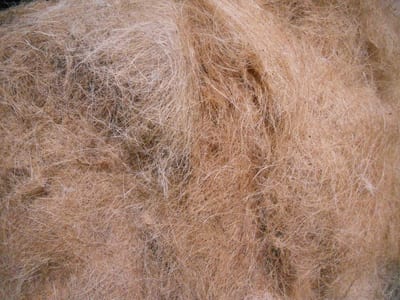 DependsCoco coirAlso: Coir, Coco peatCoco coir is the fibre and fine pith from the outer husk of coconuts, a by-product of coconut processing. It is widely used as a peat substitute because it holds water well and stays open and airy, but it needs washing and buffering to remove excess salts and it holds nutrients less well than some materials.
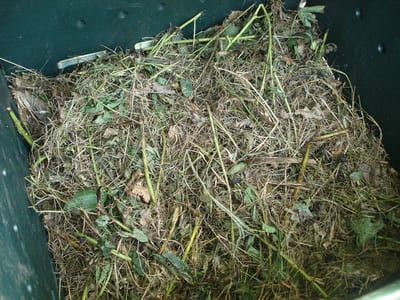 DependsCompostAlso: Garden compost, Green compostCompost is decomposed organic material such as garden waste and food scraps. It adds nutrients, organic matter and beneficial microbes to potting mixes and garden beds, but on its own it is too dense and variable for most pots. In British English, “compost” also means bagged potting mix.
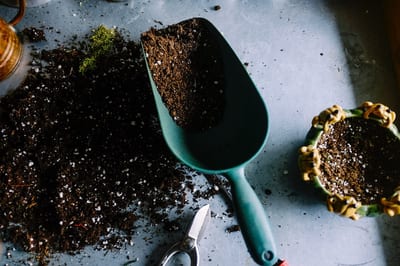 DependsGarden soil in potsAlso: Topsoil in containers, Native soilGarden soil works well in the ground but usually badly in pots. In a container it compacts, holds too much water in its small pores, loses air and can drown roots, so extension services recommend soilless potting mixes instead.
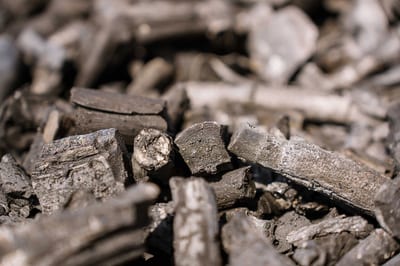 DependsHorticultural charcoalAlso: Charcoal, BiocharHorticultural charcoal is small pieces of charcoal added to orchid and some houseplant mixes; biochar is charcoal made specifically as a soil amendment. It is porous and stable, and in research biochar has partly or fully replaced standard container substrates, but a charcoal layer at the bottom of a pot does not improve drainage.
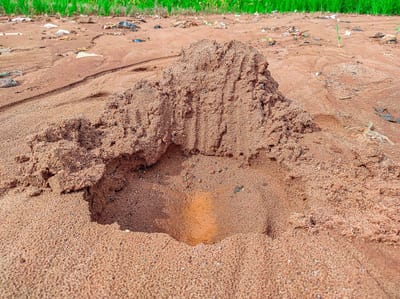 DependsHorticultural sand and gritAlso: Sharp sand, Grit sandHorticultural sand is washed, coarse, lime-free sand or fine grit used to open up potting mixes and add weight. Only coarse sand helps drainage; fine sand such as play sand can make mixes denser and wetter.
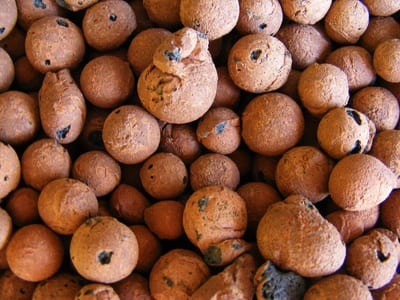 DependsLECA (expanded clay pebbles)Also: Lightweight expanded clay aggregate, Clay pebblesLECA is clay fired in a kiln until it puffs into light, round, porous pebbles. It is an inert, reusable medium for hydroponics and the semi-hydro method, and is also mixed into potting mixes for aeration.
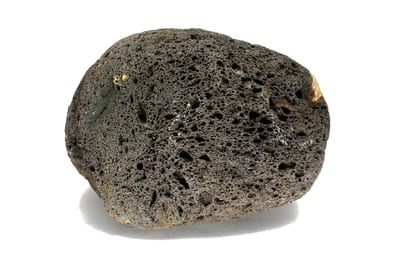 DependsLava rockAlso: Scoria, Volcanic cinderHorticultural lava rock is usually scoria, a dark volcanic rock full of gas bubbles. Crushed, it adds permanent drainage and air to mixes for bonsai, succulents, orchids and carnivorous plants, and holds some water in its pores.
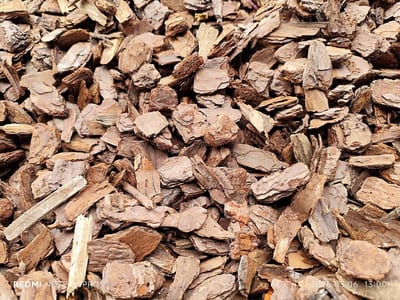 DependsOrchid barkAlso: Fir bark, Pine bark chipsOrchid bark is coarse chips of tree bark, most often fir or pine, used as a free-draining medium for epiphytic orchids. It lets air reach the roots and drains quickly, but it slowly decomposes and needs replacing about every two years.
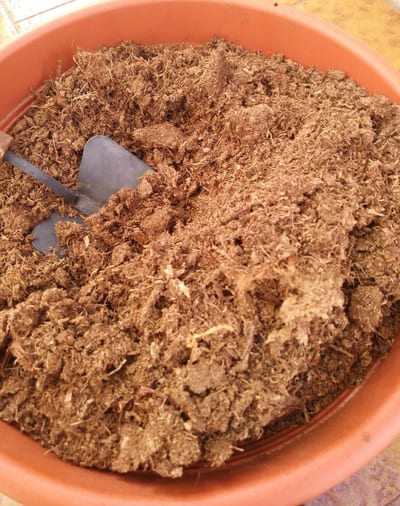 DependsPeat mossAlso: Sphagnum peat, Sphagnum peat mossPeat moss is the partly decomposed remains of bog plants, mainly Sphagnum moss, dug from peatlands. It has been the base of most commercial potting mixes because it holds a lot of water yet stays light, but its extraction damages carbon-rich peat bogs and it is being phased out of retail compost in some countries.
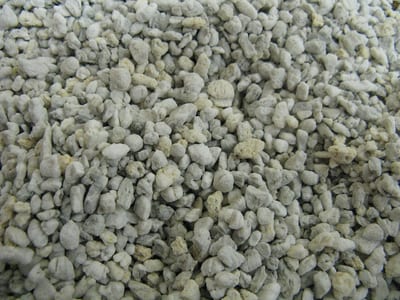 DependsPerliteAlso: Expanded perlite, Sponge rockPerlite is a volcanic glass that is heated until it pops like popcorn into light, white granules. It is added to potting mixes to open them up, improve drainage and stop compaction, and is also used on its own for rooting cuttings.
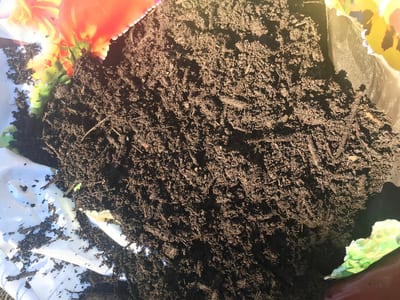 DependsPine bark finesAlso: Composted pine bark, Bark finesPine bark fines are small particles of pine bark, often aged or composted, used as a main ingredient of nursery and potting mixes. They drain well, resist compaction and are a common partial replacement for peat.
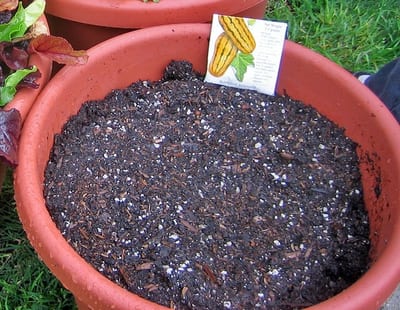 DependsPotting mix recipesAlso: Soil mix recipes, Container mixesMost potting mixes combine a water-holding base (peat, coir, bark or loam) with an aerating material (perlite, pumice, grit, sand or bark). These widely cited example recipes from extension services and plant societies show starting points for common plant groups; adjust them for your pots, climate and watering habits.
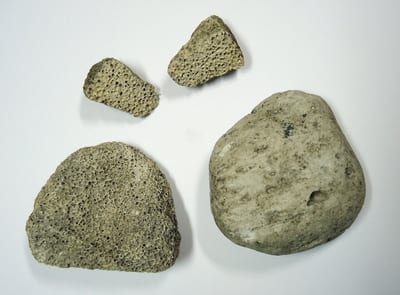 DependsPumiceAlso: Pumice stonePumice is a light, frothy volcanic rock full of gas bubbles. Crushed into small grains it is a popular, long-lasting mineral additive for succulents, cacti and bonsai because it drains freely yet holds some water in its pores.
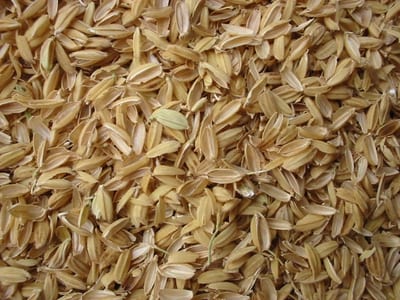 DependsRice huskAlso: Rice hulls, Rice husksRice husks are the hard outer coats of rice grains, a cheap by-product of rice milling. Parboiled rice hulls are used as a light gardening substrate and potting-mix additive that improves drainage.
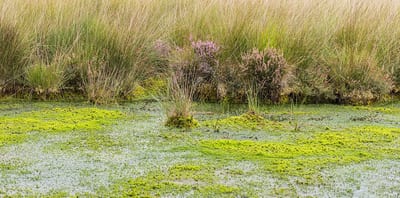 DependsSphagnum mossAlso: Long-fibre sphagnum, Orchid mossSphagnum moss is a bog moss sold dried as long strands (or grown live) for orchids, carnivorous plants, propagation and air layering. It holds huge amounts of water, so it is excellent for keeping roots moist but can easily cause rot if kept constantly wet.
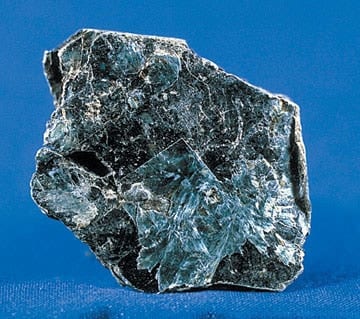 DependsVermiculiteAlso: Exfoliated vermiculiteVermiculite is a mica-like mineral that expands into light, accordion-shaped flakes when heated. It holds a lot of water and nutrients, so it is used in seed-starting mixes and to raise water retention in potting mixes.
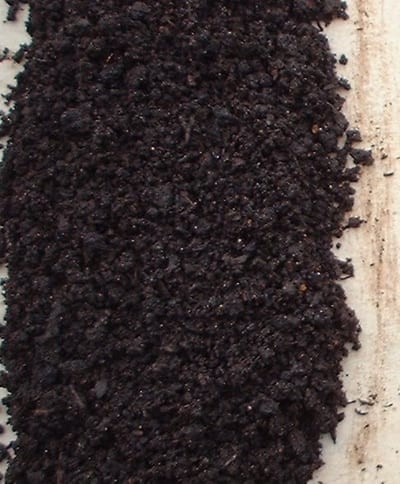 DependsWorm castingsAlso: Vermicompost, VermicastWorm castings are the droppings of composting worms, and vermicompost is the mix of castings and partly processed organic matter. They are a gentle, nutrient-rich amendment with high microbial activity, used in modest proportions in potting mixes.
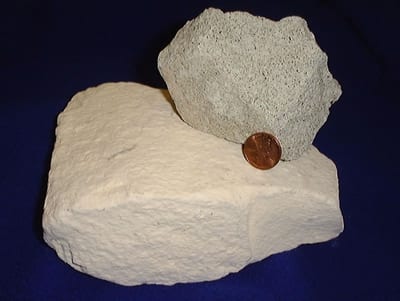 DependsZeoliteAlso: ClinoptiloliteZeolites are porous aluminosilicate minerals; the natural form used in horticulture is mostly clinoptilolite. Added to potting mixes they hold and slowly release nutrient ions such as ammonium and potassium and some water, while adding a stable mineral grit.